Day 1 — Camp goes up
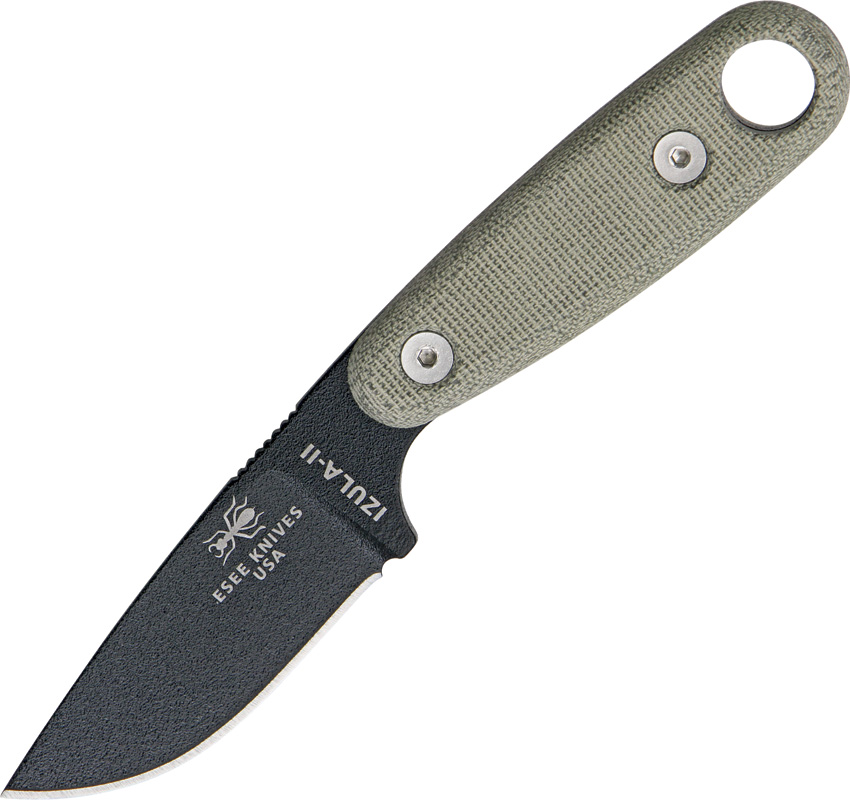
The truck makes it to the trailhead by mid-afternoon, which feels like a small victory on its own. The packs go on heavy — a week is a lot of food — and the climb to camp takes longer than the map promised. There’s a tent stake that won’t hold and kindling that needs splitting before dark, so the ESEE Izula II comes off the belt for its first shift. ESEE grew out of Randall’s Adventure & Training, the survival school Jeff Randall and Mike Perrin started in 1997, home-based in Gallant, Alabama — a fixed-blade knife with a no-questions-asked lifetime guarantee.
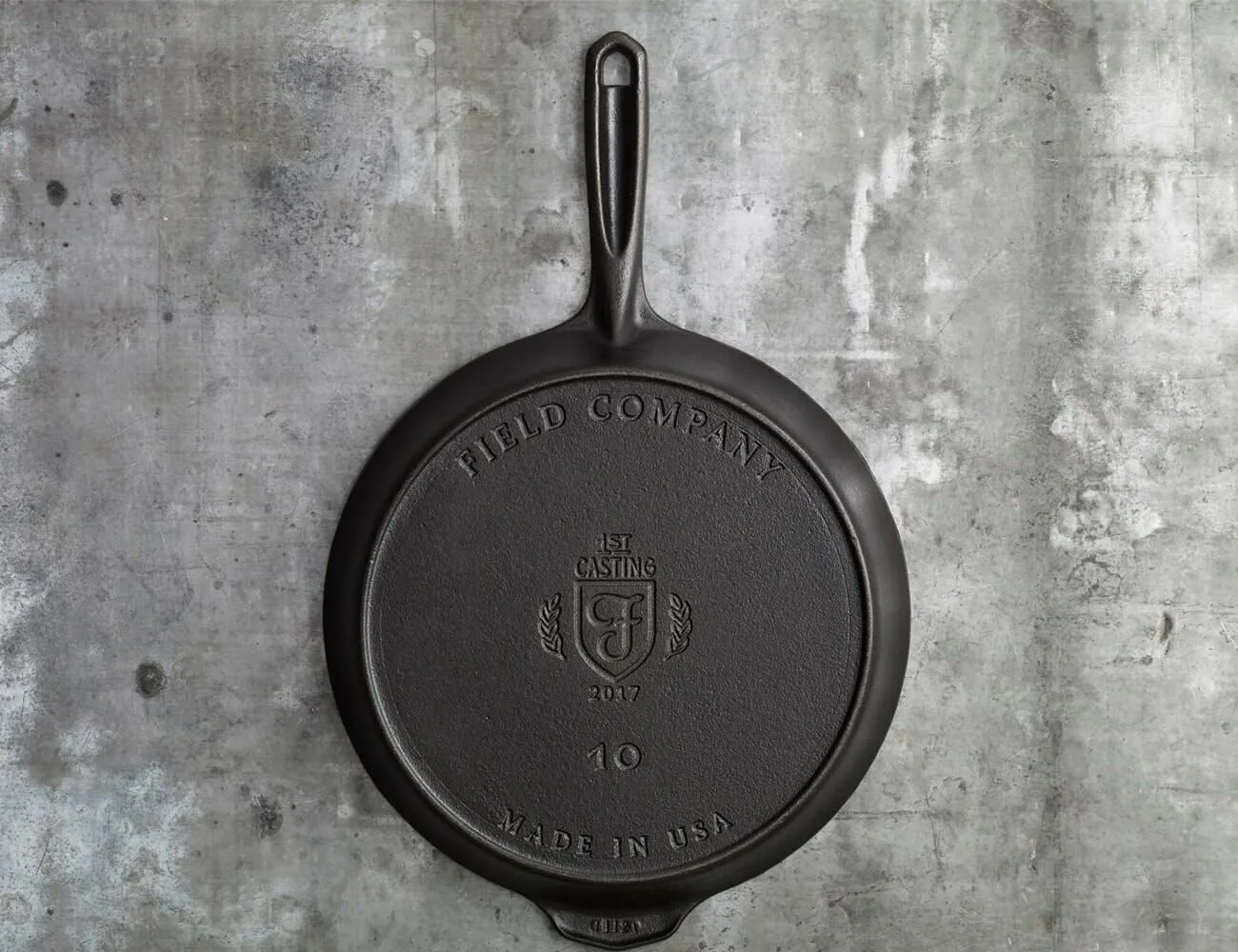
Dinner is cooked on the tailgate stove in the Field Company No. 6 — a new American foundry story, founded in 2016 by two brothers, family-owned, everything made in the USA, pouring cast iron that’s lighter and smoother than the old guard. When the coffee’s on and the food is in, you’ll feel the difference in your wrist.
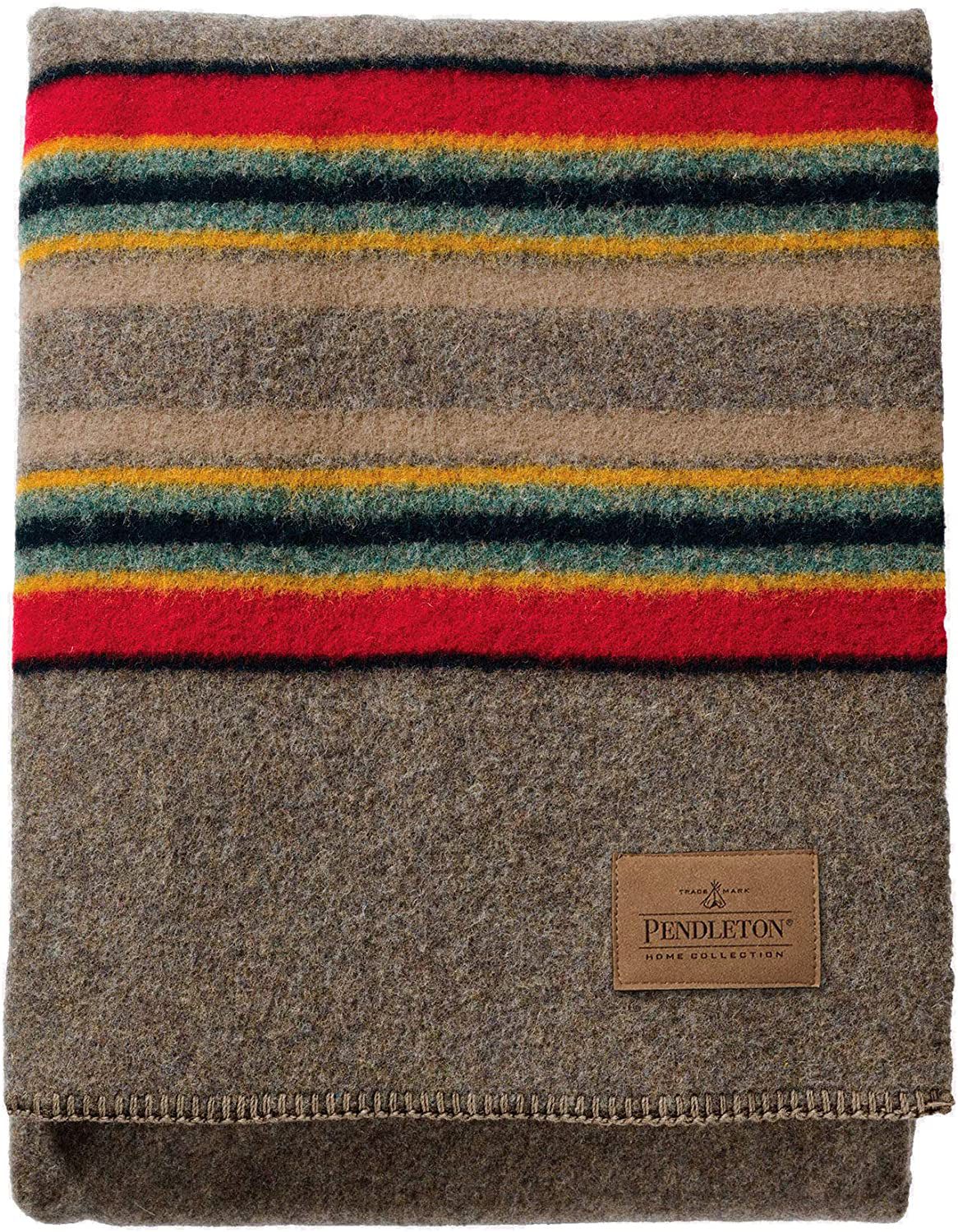
Night falls hard at altitude. The Pendleton Yakima Camp Blanket comes out for the first time — the story starts when Thomas Kay arrived in Oregon in 1863, and the Bishop family opened the Pendleton mills in the early 1900s and has run them for six generations since. Woven in those Oregon mills, the camp blanket everything else copies. It earns its place by midnight.
Day 2 — Opening morning
4:45 AM. The alarm goes off in the dark and the first sound of the season is a match striking. Coffee goes on the tailgate stove; the Field Company pan goes over the burner. Eggs, because the day is long and the ridge is farther than it looks on the map.
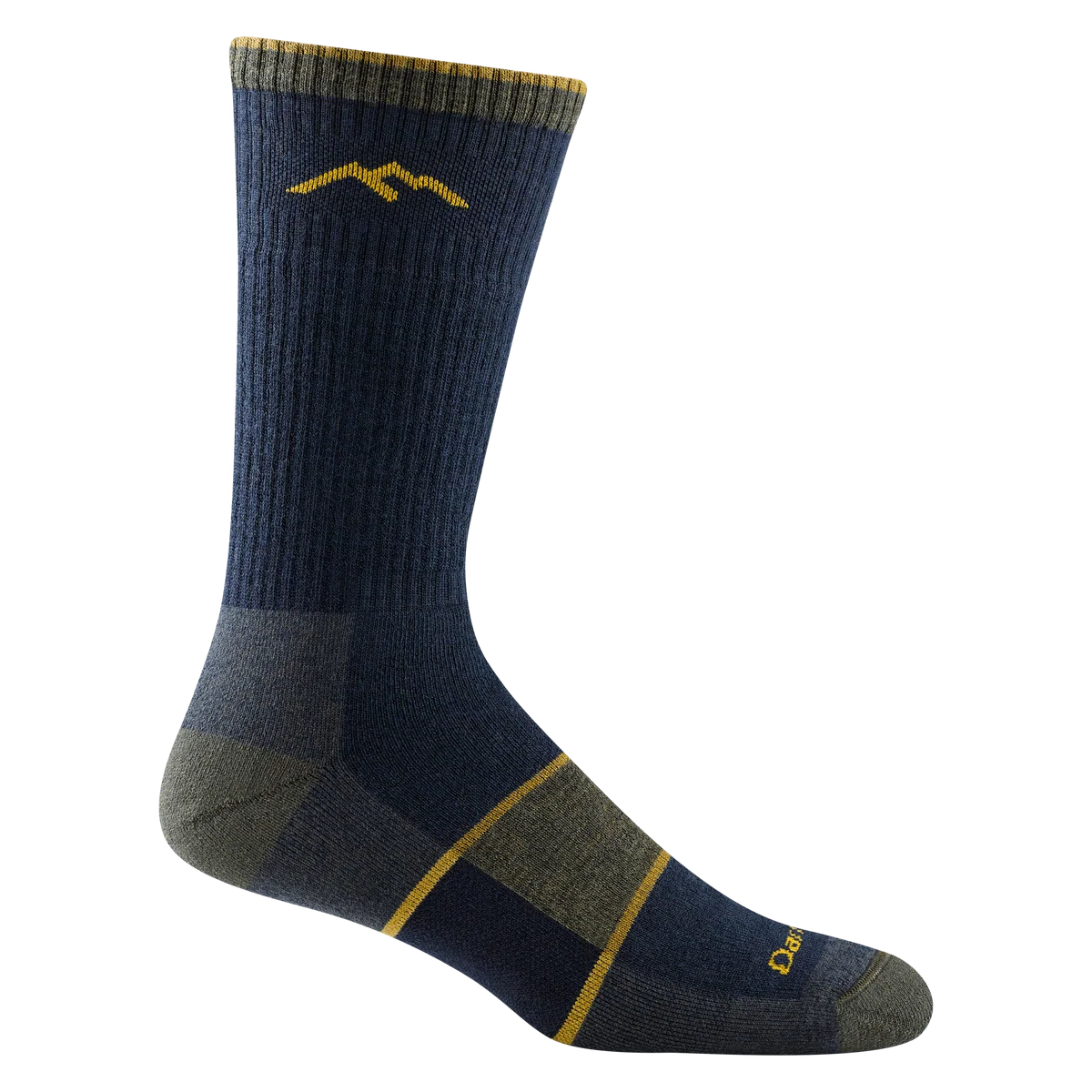
Boots laced before the coffee’s done. The climb starts in the dark — headlamp on, breath fogging — and by the time the sun clears the ridge you’ve put three ridges behind you. The Darn Tough Hiker Boot Socks are the part of the trip nobody photographs and everybody remembers: knit in Northfield, Vermont — Darn Tough has kept 100 percent of its manufacturing in the USA since Ric Cabot founded the company in 2004. Ridge after ridge, drainage after drainage: wear a pair out and they replace them. That’s the whole warranty.
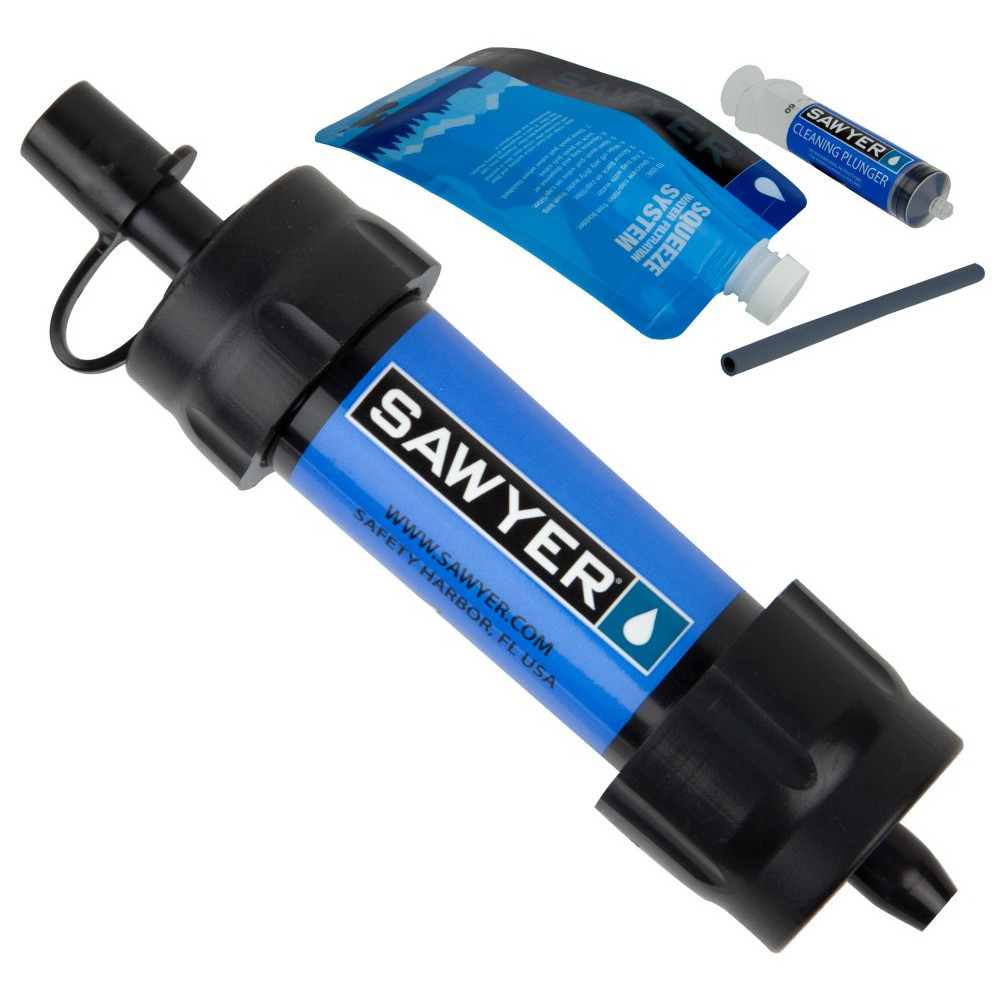
Midday. The creek at the bottom of the drainage is running clear and cold, and your bottles are empty. You kneel on the bank, fill the pouch, screw on the Sawyer MINI, and drink straight from the mountain. A 0.1-micron hollow-fiber filter that weighs two ounces and fits in your palm — Sawyer rates it for up to 100,000 gallons, and the MINI carries “Made in the U.S.A.” on the maker’s labeling.
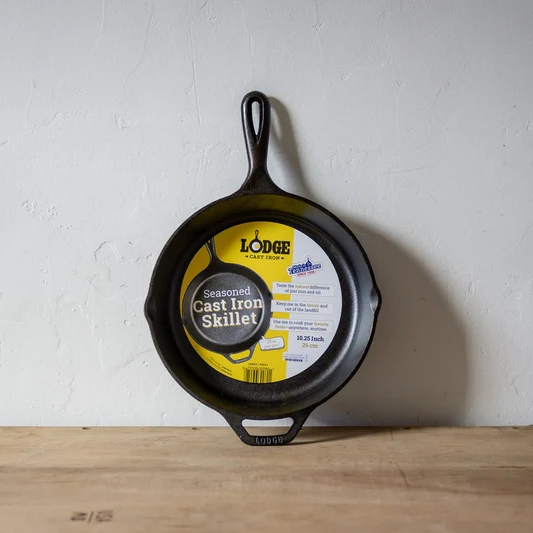
Dusk. Back at camp, the fire goes up and the day’s tired settles into your shoulders. The Lodge 10.25-inch cast iron skillet goes over the flames. Joseph Lodge founded the Blacklock Foundry in 1896, and the company has poured cast-iron cookware in South Pittsburg, Tennessee ever since. This is the original American workhorse — the pan that outlives its owner. Whatever’s for dinner, it tastes better when the pan has a hundred years of seasoning behind it.
Day 3 — The sit
Day three is a glassing day: one good vantage, one long sit, and hours of watching the same drainage through binoculars. Patience is the gear you can’t pack. The sun arcs over, the wind shifts, and around two o’clock a doe picks her way across the far slope, close enough to matter, too far to count. You note where she came from and go back to watching.
Water discipline is the whole game on a sit. One pouch from the creek at dawn was never going to last — good thing the filter weighs nothing and rides in the pack all day. The blanket stays on the shoulders through the gray afternoon; the fire and the Lodge skillet take over again at dusk, and the routine is starting to feel like a ritual.
Day 4 — The weather turns
The forecast said “passing showers.” The ridge heard something else. You wake to a tent that sounds like a snare drum and a decision to make — and you make the right one, which is coffee first. The Field Company pan goes over the stove under the vestibule, and the storm gets watched like it’s television.
By noon it’s burned off and the woods smell like cedar and cold iron. The afternoon hunt is slow and wet, and the Darn Tough socks take the whole day of it without a single hot spot — which, four days into a trip, is the difference between a hunter and a limper. The evening fire is bigger than usual, and the Pendleton does its best work of the week: the coldest night so far, and you sleep through it.
Day 5 — The stalk
Day five is the one you’ll tell stories about. A bull bugles at first light from two drainages over, and the whole day compresses into a single thread of movement: slow, then slower. Every step lands soft. The miles are real and the socks are quiet about it, which is the highest compliment they’ll get.
Nothing closes out — the wind swirls at the wrong minute, as it does — but walking back down in the dark, nobody in camp calls it a wasted day. A stalk that ends empty-handed still beats the best day at a desk. The Izula II splits the kindling for the consolation fire, and the Lodge pan feeds the whole tired camp.
Day 6 — The work
Then comes the part nobody films. The pack-out. The long carry. The work — and the blade that does it, the one that rides on the belt all day and earns its place in an hour. The Izula II has been doing quiet work all week — feather sticks, cord, stake repairs — and today it does the loud work, and does it cleanly.
Back at camp, the last big fire goes up. The Lodge skillet handles dinner for a camp that’s too tired to care about variety and too happy to complain. After dark, the stars come out and somebody pulls the Pendleton around their shoulders. The best seat in camp isn’t a chair.
Day 7 — The walk out
Morning comes early and nobody minds. The Field Company pan gets its last breakfast over the stove while camp comes down around it — eggs, because the ridge doesn’t wait, and the day starts the way the week started: over iron. One last kneel at the creek with the Sawyer, one last cold drink from the mountain.
The hike out is lighter than the hike in, in every way that counts. Back at the truck, the gear goes back in its places: the blade on the belt, the filter in the pack, the blanket folded in the back. Seven days. The week is over; nothing you carried gets left behind next time.
Made in the USA
More stories:
← Back to Hunting
The deer camp kitchen. →
The 2-ounce insurance policy. →
Guaranteed for life. →